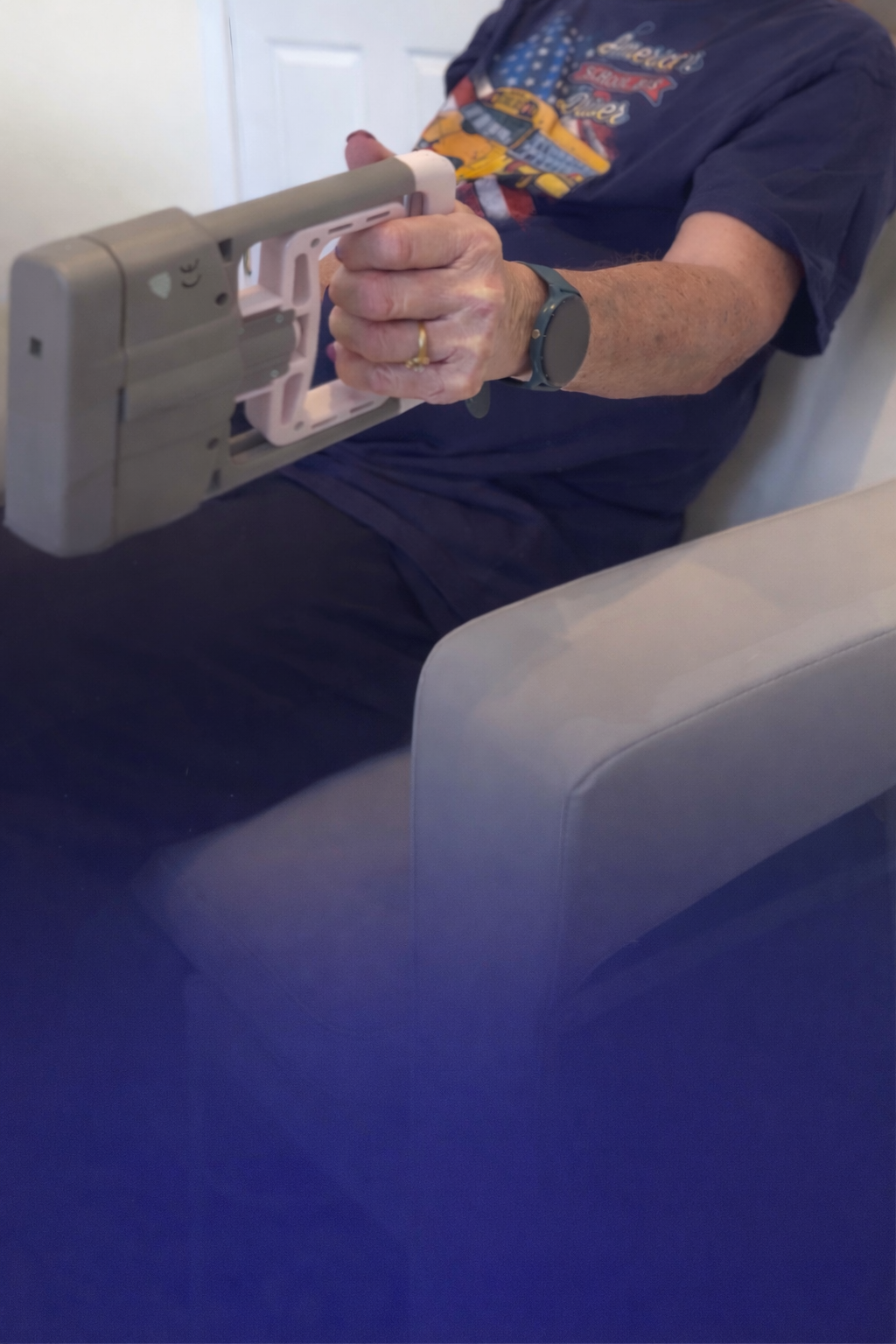
Grip Strength and Longevity: What Your Strength Says About Your Health
Most people don’t think about grip strength. But I pay attention to it, because it tells me a lot about what’s going on beneath the surface. Grip strength is one of the simplest ways to assess overall health and how your body is aging. It takes seconds to check, but it gives insight into your muscle health, strength, and long-term resilience.
Why Grip Strength Matters
When I talk about longevity with patients, I’m not just looking at labs or symptoms. I’m looking at function.
Grip strength has been consistently linked to:
Higher risk of chronic disease when it’s low
Loss of muscle mass and strength
Increased risk of falls and decline over time
Earlier mortality
It’s not just about your hands. It reflects your total body strength. And as we age, muscle becomes one of the most important predictors of how well we’re going to do long-term.
What I Look for Clinically
Grip strength gives a quick snapshot of where someone is at. It can point to:
Early muscle loss
Reduced functional strength
Underlying decline that may not show up yet in labs
A lot of people focus only on weight or appearance. Strength is often a better indicator of overall health.
Why This Matters for Longevity
Longevity, to me, is about maintaining energy, function, and independence. Muscle plays a major role in:
Metabolic health
Blood sugar control
Inflammation
Injury prevention
This is why strength training is one of the most important things I recommend, especially for patients in midlife. It doesn’t have to be complicated, but it does need to be consistent.
How to Improve Grip Strength
If you’re not currently doing strength training, start simple. Focus on:
Strength training 2–3 times per week
Movements that involve pulling, carrying, and holding
Gradually increasing resistance over time
A few easy ways to start:
Holding dumbbells
Farmer’s carries
Dead hangs
Basic machine work
When grip strength improves, overall strength usually improves with it.
The Bottom Line
Grip strength is a simple test, but it gives meaningful insight into your health. If it’s low, it’s usually a sign that strength and muscle need attention. And the good news is, that’s something you can change.
A More Preventive Approach to Aging
At Inject SkinCare in Prescott, I look at both internal health and outward changes. Whether someone comes in for aesthetics, weight loss, or general wellness, the goal is the same: support long-term health, not just short-term results.
If you’re interested in taking a more proactive approach to your health and longevity, you can schedule a consultation to get started.
